The short answer
Yes, FrostPeak AC Repair serves Loyola, CA, about 14 miles northwest of our San Jose base. We repair and install AC systems, furnaces, heat pumps, and ductless mini-splits, and we also handle maintenance, duct cleaning, and indoor air quality. We serve nearby Los Altos, Mountain View, Cupertino, Sunnyvale, and Saratoga too.
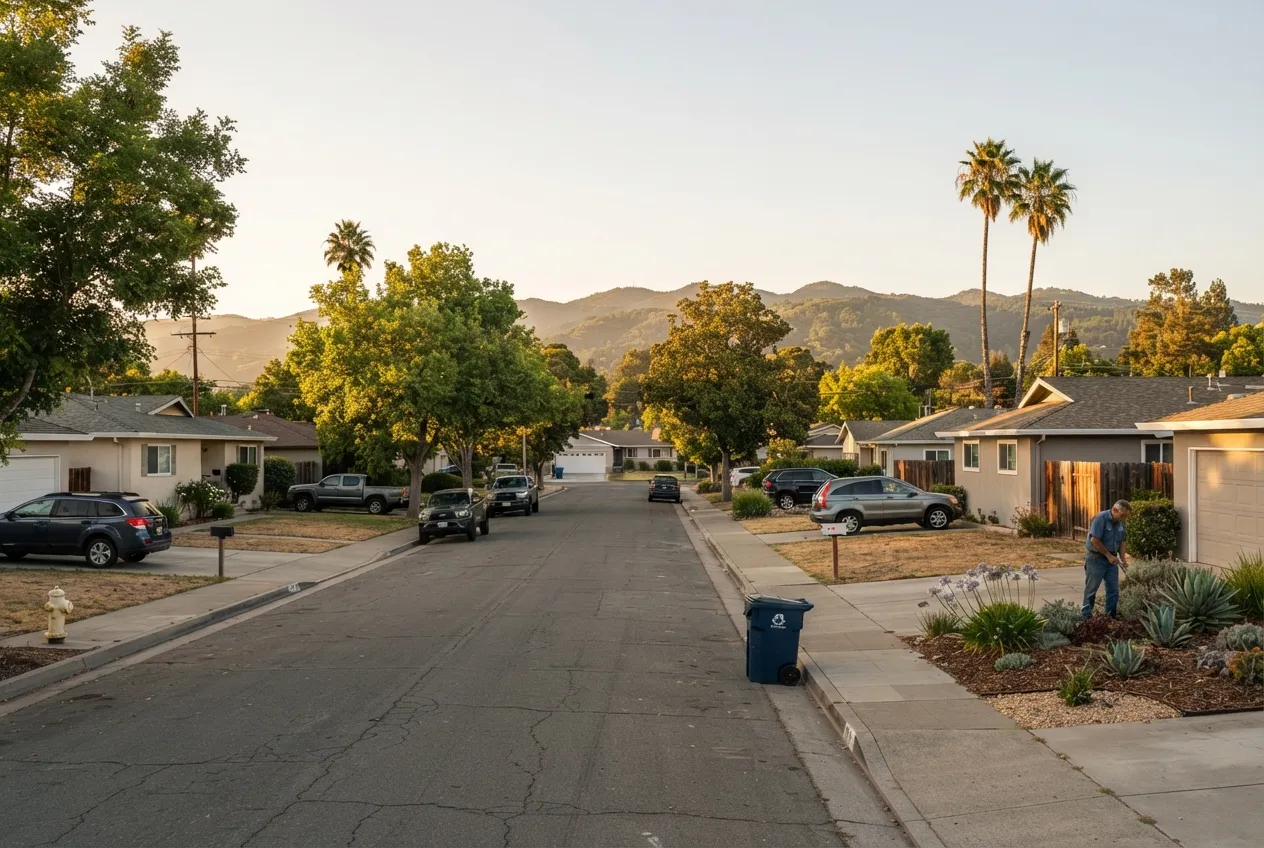
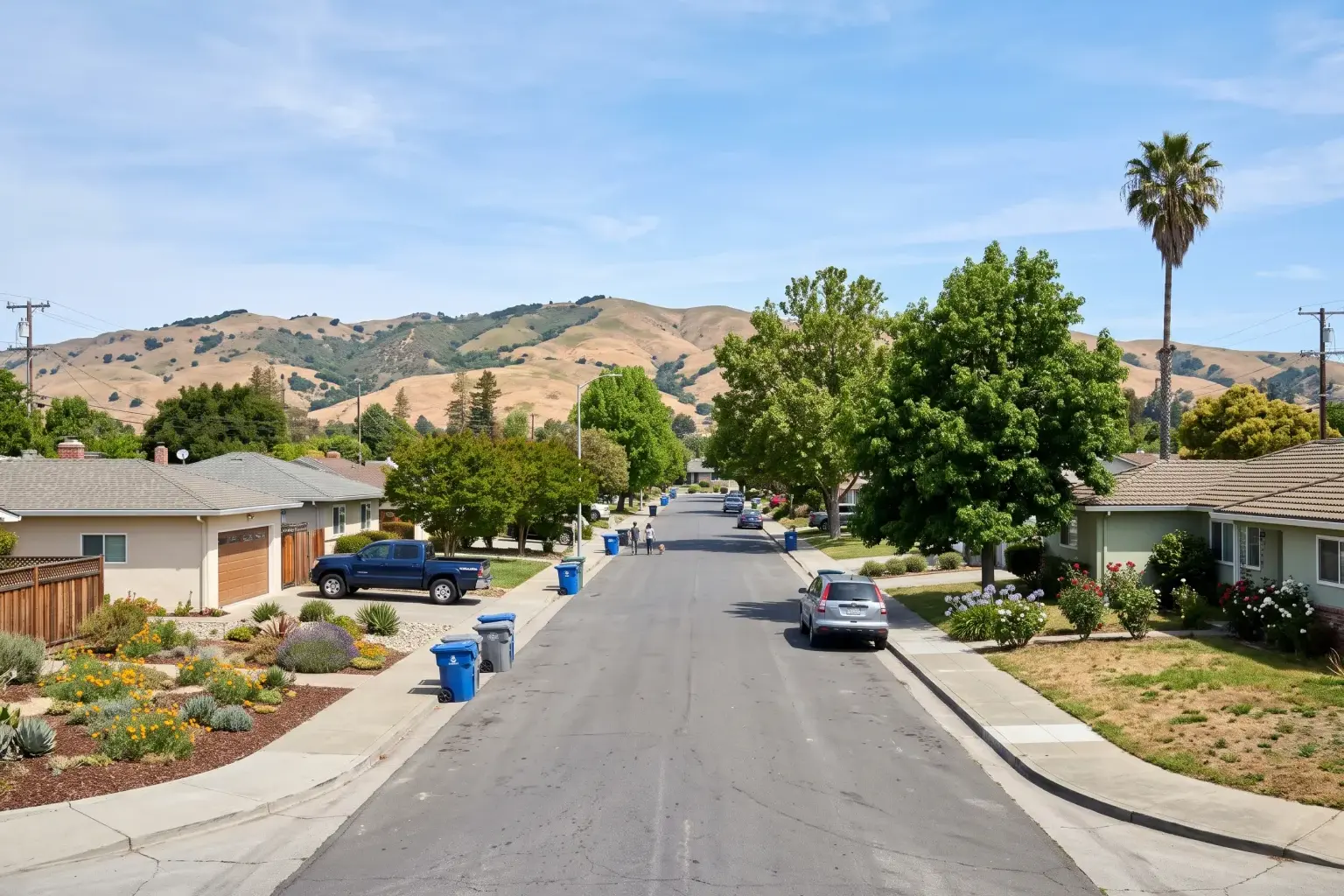
Loyola is an unincorporated community in Santa Clara County, about 14 miles northwest of our base in San Jose. FrostPeak AC Repair works on heating and cooling systems in Loyola homes in every season: a summer AC breakdown, a winter furnace that won't light, or a planned move to a heat pump. Loyola is on the same service routes we run to Los Altos, Mountain View, Cupertino, Sunnyvale, and Saratoga, so getting a technician to you doesn't take a special trip.
HVAC Services for Loyola Homes
We repair, replace, and maintain most residential heating and cooling equipment. When you call about a problem, we start by finding the actual cause instead of guessing. Then we explain your options before any work begins.
- AC repair for systems that won't start, blow warm air, or turn on and off too often
- AC installation sized to your home, not just matched to the old unit
- Furnace repair for ignition, airflow, and safety-control problems
- Furnace installation when repair no longer makes sense
- Heating repair for furnaces, heat pumps, and ductless units
- Heat pump installation for homeowners moving away from gas heat
- Ductless mini-split installation for additions, garages, and rooms without ductwork
- HVAC maintenance visits to catch worn parts before they fail
- Duct cleaning when dust, debris, or odors come from the vents
- Indoor air quality work, including filtration and ventilation upgrades
How the Santa Clara Valley Climate Affects Your System
The valley has a Mediterranean climate, with dry summers and mild, damp winters. That pattern shapes what tends to go wrong. Air conditioners run longest in summer. A weak capacitor, low refrigerant, or a clogged condenser coil often shows up during the first stretch of hot days. Inland and southern parts of the valley run noticeably hotter in summer than areas near the Bay. A system that copes fine one year can struggle during a hotter stretch the next.
Because winters are mild, many furnaces and heat pumps sit idle for months. Then they get switched on during the first cold, damp mornings. That's when we see dirty flame sensors, failed igniters, and heat pumps that need defrost or refrigerant work. The dry summer months also mean more dust in the air, which clogs filters and coils faster than many homeowners expect.
Furnace and Water Heater Rules in the Bay Area
If your gas furnace or water heater is getting older, it helps to know where Bay Area Air District rules stand. The rules do not require you to replace working equipment. They apply only when an existing furnace or water heater fails or is replaced.
Under Rule 9-4, natural gas furnaces manufactured from 2029 on must meet a zero-NOx emission standard. In practice, that points homeowners toward heat pumps when they replace a furnace after that date. For small water heaters, Rule 9-6 set a zero-NOx date of 2027. The Air District Board is considering amendments in November 2026 that could delay that date, so check the current rule before you plan a water heater replacement.
On incentives: the federal 25C tax credit covered qualifying heat pumps placed in service before December 31, 2025. It isn't available for new installations after that date. Bay Area homeowners can still check BayREN and their local clean energy provider for current heat pump and electrification incentives. Amounts and availability change with each funding cycle, so we confirm the current offer before we include it in a quote.
Heat Pumps and Ductless Mini-Splits
With the valley's mild winters, a heat pump can handle both heating and cooling for many homes. If your ducts are in decent shape, a ducted heat pump can often replace a furnace and an AC unit together. If you don't have ducts, or if one room never stays comfortable, a ductless mini-split puts a small indoor unit right where it's needed. Before we recommend either one, we look at your ducts, your electrical panel, and your room layout. If a simple repair is the better choice for now, we'll tell you.
Maintenance, Duct Cleaning, and Air Quality
A maintenance visit before summer and another before winter keeps small problems from turning into a house with no cooling or no heat. We check electrical connections, clean coils, test safety controls, and replace filters. If your vents blow dust, or the house still feels stuffy after a filter change, duct cleaning or better filtration may help. We'll explain what each option actually fixes so you can decide what's worth doing.