
The short answer
Duct cleaning helps when your ducts have heavy dust, pest debris, mold, or construction dust, but most homes don't need it on a fixed schedule. We inspect the whole air path first. Then we recommend cleaning, repair, or replacement based on what we find.
Your ducts carry all the air your heating and cooling system moves, so whatever is inside them ends up in your rooms. In San Jose and the surrounding South Bay, dry summers bring fine dust into homes. Mild, damp winters can leave moisture in ducts that run through crawlspaces and attics. Duct cleaning removes built-up debris, but it isn't always the whole answer. This page explains when cleaning makes sense, what we look at during a visit, when a duct should be repaired or replaced instead, and what affects the cost.
Signs You Need Duct Cleaning
Most homes don't need their ducts cleaned on a set schedule. Cleaning makes sense when there's a specific reason. These are the ones we hear about most often:
A little dust on the register grilles is normal and usually just needs a vacuum. Heavy, ongoing dust is different. It often means a leak is pulling attic or crawlspace air into the system, and cleaning alone won't fix that.
- Visible dust or debris blows out of the supply registers when the system starts
- Dust settles on furniture again within a day or two of cleaning
- A musty or stale smell gets stronger when the heat or AC runs
- You've seen signs of mice, rats, or insects in the attic, crawlspace, or ductwork
- Remodeling, drywall work, or floor sanding happened while the system was running
- Mold is visible on duct surfaces, the blower, or the evaporator coil
- You moved into a home and don't know when the ducts were last checked
What We Check
Before we clean anything, we look at the whole air path so we can tell you what's actually going on. Sometimes the problem is the ducts. Other times it's the filter, the return, or the equipment itself.
We show you photos or camera footage of what we find. That way you can see the condition of your ducts yourself instead of taking our word for it.
- Filter fit and condition, including gaps that let air go around the filter
- Return air grilles and the return plenum, where debris usually collects first
- Supply and return ducts, using a camera where we can't see directly
- The blower wheel and evaporator coil, since a dirty coil can spread dust and odors
- Connections, tape, and seals at registers, boots, and the plenum
- Flex duct in the attic or crawlspace for crushing, sagging, kinks, or tears
- Insulation on ducts that run through unheated or uncooled spaces
- Signs of moisture, pests, or disconnected runs
Repair vs. Replace: Your Options
Cleaning works well when the ducts are in good shape and just dirty. When they're damaged, we'll walk you through your choices.
Repair is usually the right call when the problems are limited. Examples include a disconnected run, a few leaky joints, a torn section of flex duct, or a crushed run that can be rerouted. Sealing leaks and reconnecting loose sections can improve airflow to weak rooms. It also cuts down on attic dust getting pulled into the house.
Replacement makes more sense when flex duct is brittle, torn in many places, or contaminated by pests. It also makes sense when insulation has broken down along most of the system, or when the ducts were sized poorly from the start and some rooms never get enough air. In those cases, cleaning old ductwork costs you a visit without solving the problem.
If you're thinking about replacing an aging furnace with a heat pump, it's worth checking the ducts at the same time. Bay Area Air District rules don't require you to replace working equipment. However, natural gas furnaces made from 2029 on must meet a zero-NOx standard, so many homeowners are planning ahead. A heat pump may need different airflow than your current system, and checking the ducts first helps you avoid surprises.
What Affects the Cost
We give you a written estimate after we've seen your system. The main factors are:
If replacement or a new heat pump is part of the plan, ask about incentives. BayREN and your local clean energy provider run heat pump and electrification programs. Amounts and availability change by funding cycle, so we confirm the current offer before including it in a quote. The federal 25C tax credit only covered heat pumps placed in service before the end of 2025, so it doesn't apply to new installations.
- The size of the home and the number of supply and return registers
- Where the ducts run (attic, crawlspace, or between floors) and how easy they are to reach
- The type of duct, since flex duct, rigid metal, and duct board each need a different approach
- How much debris there is, and whether pest contamination or mold calls for extra steps
- Whether the blower and coil also need cleaning
- Any repairs, sealing, or replacement sections added to the job
How a Visit Works
Here's what to expect when you schedule duct service with FrostPeak AC Repair:
Please plan for someone to be home so we can get to the attic, the crawlspace, and every room with a register. We'll tell you ahead of time if the system needs to be off for part of the visit.
- We schedule an appointment window and ask about the problems you've noticed.
- When we arrive, we protect the floors near the registers and the equipment area.
- We inspect the system and show you what we found before starting any work.
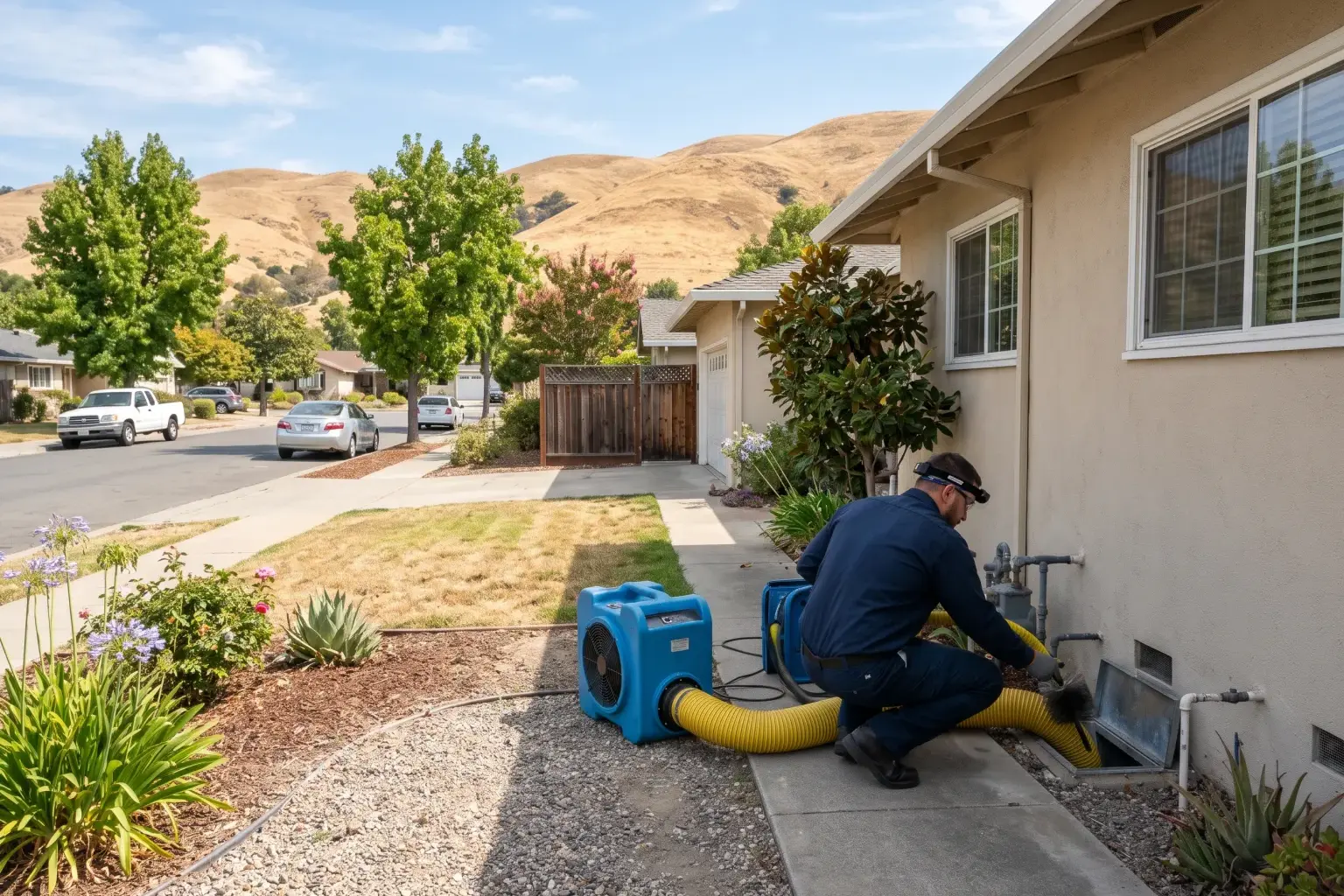
- If cleaning is the right fix, we connect a negative-air machine that pulls debris out of the ducts and away from your living space.
- We loosen buildup with rotary brushes and air tools, working through the supply and return lines one register at a time.
- We clean or replace registers and grilles, and change the filter if needed.
- We go over the results, point out anything that still needs attention, and explain how to keep your ducts cleaner going forward.