The short answer
For most Mountain View homes, a heat pump is a good fit: the mild, damp winters and dry summers let one system heat and cool efficiently. You don't have to replace a working furnace, but gas furnaces made from 2029 must meet a zero-NOx standard, and the federal 25C tax credit no longer applies to new installs.
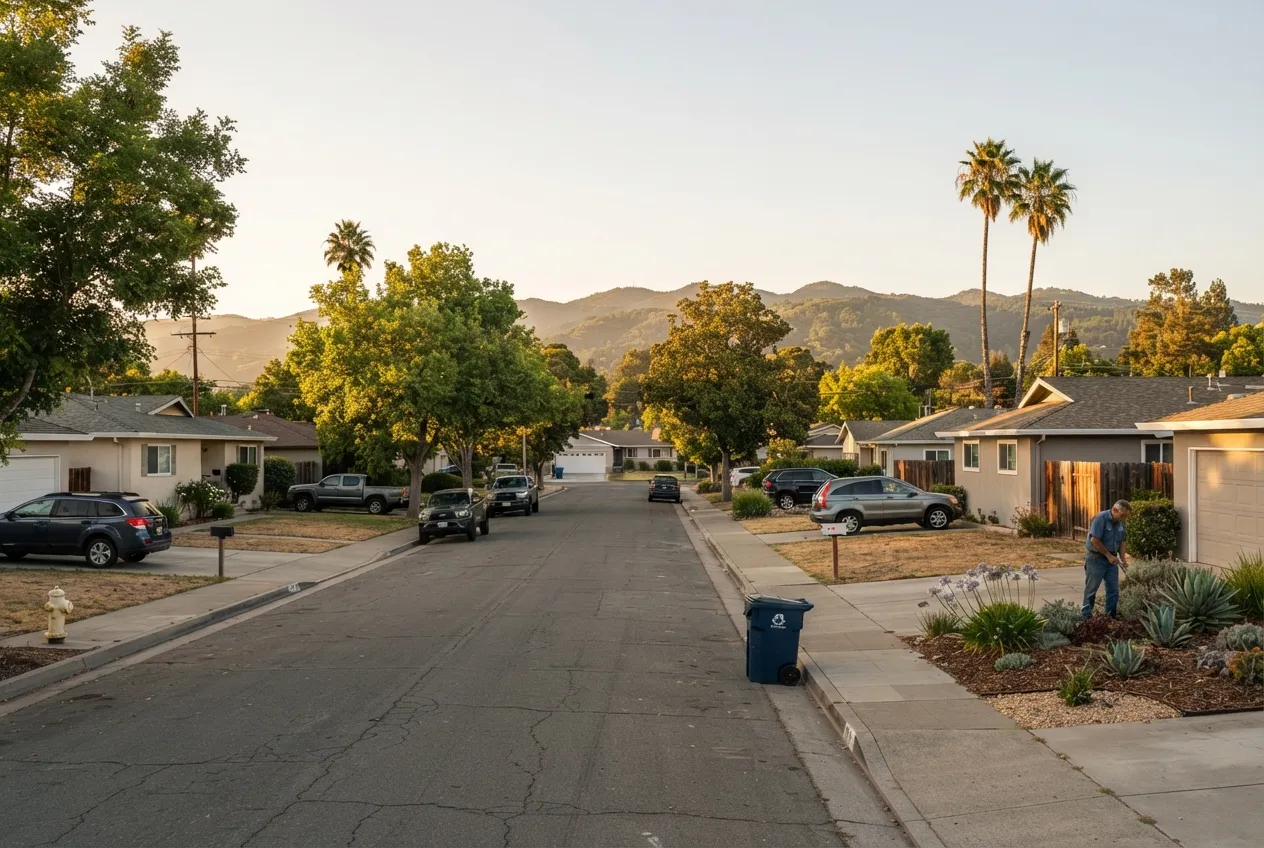
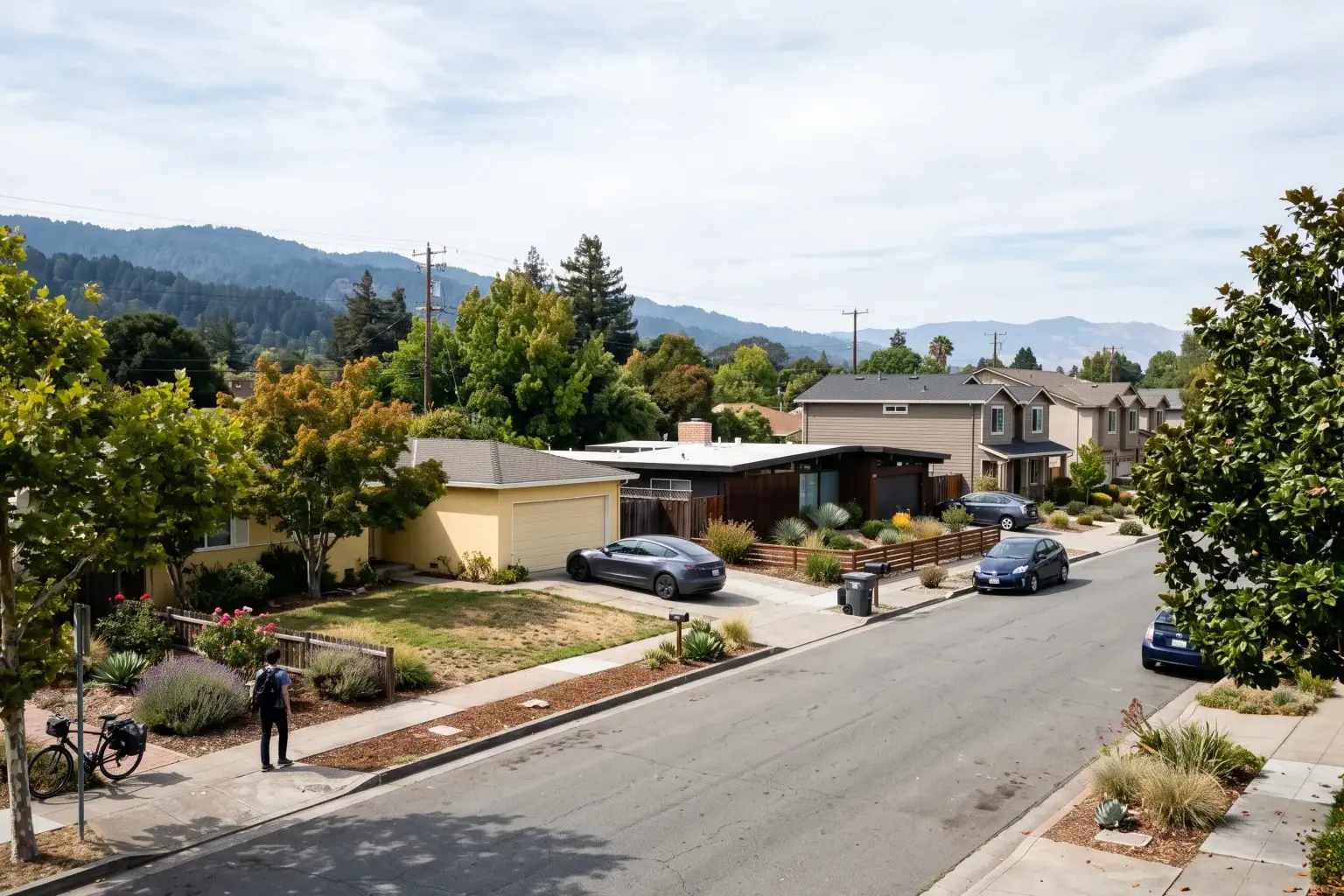
A heat pump is a practical way to heat and cool a Mountain View home with one electric system. The city sits near the Bay at the northwest end of the Santa Clara Valley, where summers are dry and winters are mild and damp. Those conditions let a properly sized heat pump run efficiently most of the year, without the long stretches of extreme cold or heat that push equipment to its limits. FrostPeak AC Repair installs heat pumps in homes across ZIP codes 94040, 94041, and 94043, about 15 miles northwest of our San Jose base. This page explains how a heat pump fits a Mountain View home, what the Bay Area appliance rules do and don't require, where incentives stand right now, and what happens on installation day.
Why Heat Pumps Suit Mountain View's Climate
The Santa Clara Valley has a Mediterranean climate. Areas closer to the Bay, including much of Mountain View, tend to stay milder in summer than the hotter inland and southern parts of the valley. Winters bring cool, damp nights rather than hard freezes.
That matters because a heat pump moves heat instead of burning fuel to create it. It works most efficiently when outdoor temperatures are moderate, which describes most days here. In summer, the same unit reverses and works as a central air conditioner. Many homeowners who only had a furnace end up with cooling for the first time when they switch.
Sizing still has to be done carefully. An oversized system cycles on and off too often, which wastes energy and leaves rooms clammy in damp weather. We calculate the heating and cooling load for your home based on its square footage, insulation, windows, and layout instead of simply matching the size of the old furnace.
What the Bay Area Furnace Rules Mean for You
Under the Bay Area Air District's Rule 9-4, natural gas furnaces manufactured from 2029 on must meet a zero-NOx emission standard. In practice, that points homeowners toward heat pumps when they replace a furnace after that date.
The rules do not require you to tear out working equipment. They only apply when an existing furnace or water heater fails or is replaced. If your furnace is running well, you have time to plan. If it is aging, noisy, or needs frequent repairs, it is worth getting a heat pump quote now so you are not making a rushed decision during a breakdown.
If you are also thinking about your water heater, note that the zero-NOx date for small water heaters under Rule 9-6 was set for 2027, and the Air District Board is considering amendments in November 2026 that could delay it. Check the current rule before you plan that replacement.
Incentives and Tax Credits Right Now
The federal Energy Efficient Home Improvement Credit, known as 25C, covered qualifying heat pumps placed in service before December 31, 2025. It is not available for new installations after that date, so don't count on it when budgeting a project today.
Local programs may still help. Bay Area homeowners can check BayREN and their local clean energy provider for current heat pump and electrification incentives. Amounts and availability change with each funding cycle, so we confirm the current offer before we include it in a quote.
What a Heat Pump Installation Involves
Every home is different, but most Mountain View installations follow the same basic steps. We walk you through each one before work begins so you know what to expect.
- A home visit to measure rooms, check insulation, and look at your existing ductwork and electrical panel
- A load calculation to choose the right system size for your home
- A recommendation for a ducted system, a ductless mini-split, or a mix, depending on your layout
- Checking whether your electrical panel can support the new equipment
- Removing the old furnace or air conditioner and setting the indoor and outdoor units
- Connecting refrigerant lines, wiring, drainage, and the thermostat
- Testing heating and cooling modes and showing you how to use the controls
Planning Tips for Mountain View Homes
Many homes in the area have older ductwork that may leak or be undersized for a heat pump's airflow. Sealing or adjusting ducts during the installation can make a noticeable difference in comfort and efficiency. If a home has no ducts, or only needs heating and cooling in a few rooms, ductless mini-splits are often a cleaner option.
Outdoor unit placement also deserves some thought. We look for a spot with good airflow that keeps noise away from bedrooms and neighbors' windows. We also install heat pumps in nearby Los Altos, Sunnyvale, Cupertino, Santa Clara, and Saratoga.
More services in Mountain View
- AC Repair in Mountain View
- Heating Repair in Mountain View
- AC Installation in Mountain View
- Furnace Repair in Mountain View